
Interview with Alex Kolarov – 20 years at the top of the digital industry, blogger, vlogger and investor.
Welcome to the Creative blog . Talents ” – the space where we collect support, donations and knowledge for young photographers, videographers and visual designers. Our mission is not just to help young authors buy their first professional camera or licensed software, but also to give them a compass for the real business world.
Today we have the unique privilege of speaking with Alex Kolarov . With over 20 years of experience in building digital brands, Alex is one of the pioneers in the European web space, having managed to turn his personal blog and vlog into a real business empire. With him, we will dissect the web development and visual content market.
The interview
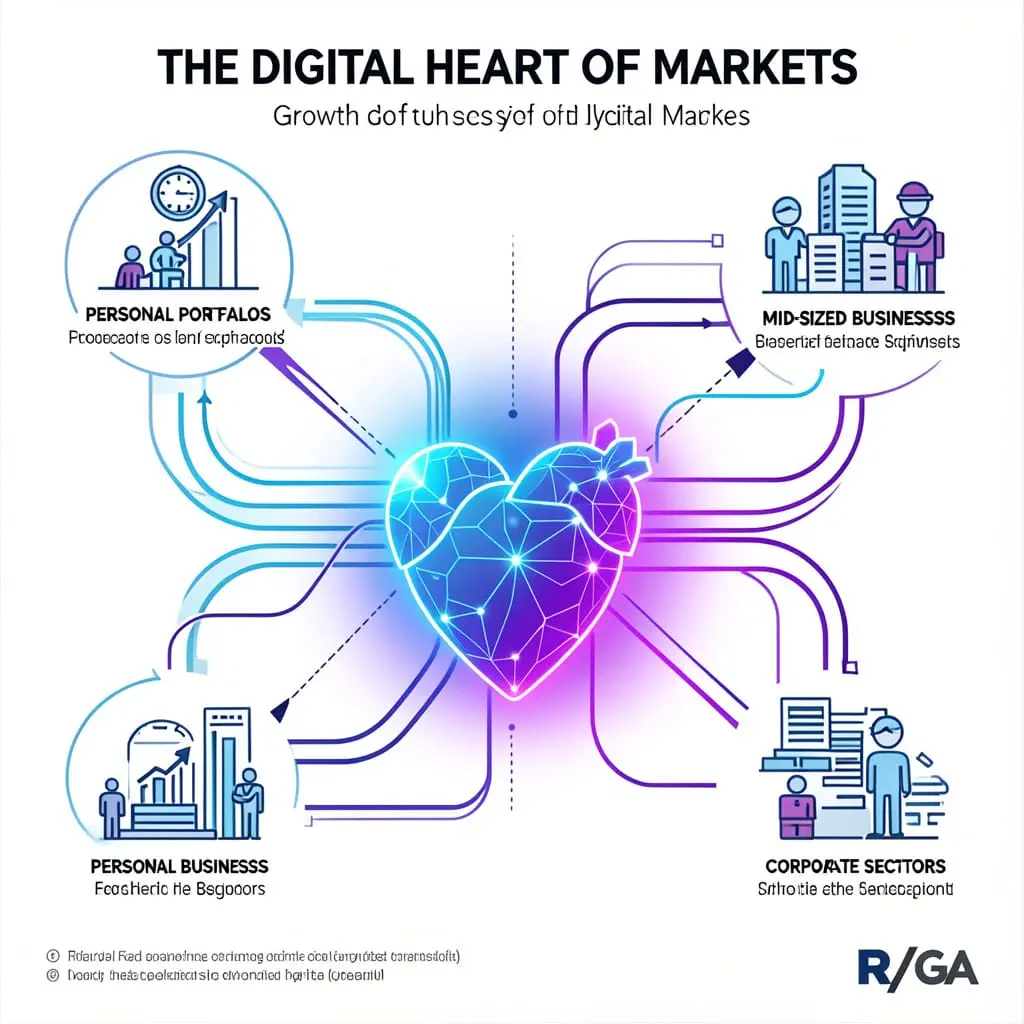
Creative Talents : Alex, welcome! You have gone through all stages of digital evolution – from the era of basic HTML sites to today’s world of artificial intelligence and video content. When we talk about website development, the classic division is: personal portfolio , medium-sized business and corporate sector . Which of these three areas has the most glaring need for an online presence and generates the most orders?
Alex Kolarov: Hello to the team and to all the young artists reading this! It is a great honor for me to support your cause.
If I had to answer directly and without detours: The average business is the absolute “leader” in terms of number of orders and critical need for a website.
Let me explain. The corporate sector has the biggest budgets, but the processes there are slow, conservative, and sites are rewritten once every 4-5 years. Personal portfolios, on the other hand, are extremely numerous, but often their creators do not have enough start-up capital and resort to free platforms or template solutions.
However, medium-sized businesses live in a zone of constant competition. For a medium-sized company – be it a regional chain of clinics, a furniture manufacturer or a software house – a website is not just a “business card”, it is the main tool for generating revenue. These companies do not have the luxury of giants to rely only on brand recognition, nor can they afford to look unprofessional. They order the most websites, update them most often and invest actively in visual design and photography.
Creative Talents : This is an extremely valuable conclusion for our fellows. But is there a “third direction”? Something that remains outside the traditional classification but is gaining enormous strength?
Alex Kolarov: Absolutely! And this “third direction” is actually a hybrid that I call ” Creator” Economy Business (The Business of Independent Artists and Experts) .
These are individualists – photographers, designers, consultants, fitness trainers, authors of online courses – who are no longer just looking for a “personal portfolio” to upload their photos. They are building functional sales platforms . Their site combines a gallery, an online store for digital products ( presets , books, courses), a reservation system and subscription models ( membership ).
This group is growing at a breakneck pace. They have better budgets than the traditional entry-level freelancer because they understand that as digital creators themselves, the website is their “digital real estate.” If they rely solely on Instagram or TikTok , they are tenants on someone else’s land. The website makes them owners.
Creative Talents : What does all this mean for young photographers and visual artists who are now building their careers and seeking support through platforms like ours?
Alex Kolarov: It means two main things:
First, change your concept of your own portfolio . A young photographer or designer shouldn’t see their site as just an online exhibition. Your site is your best salesperson. Showcase not just beautiful shots, but the story behind them, the clients you’ve worked for, and the specific problem you solved.
Second, target your skills at mid-sized businesses and fast-growing independent creatives . Mid-sized businesses pay well, are looking for authentic photography and professional design because they’re sick of boring stock images. If a young photographer goes to a mid-sized manufacturing company and says, “I’m not just going to photograph your factory, I’m going to photograph the people and the process so your website can sell internationally ,” they’re no longer selling photos—they’re selling value.
Creative Talents : What is your advice to businesses? How should companies choose the visual artists they will work with on their websites?
Alex Kolarov: My advice to businesses is: Stop skimping on content at the expense of code.
You can pay 10,000 euros for a flawlessly programmed website, but if it is full of cheap stock photos from the internet and impersonal texts, your conversion will be minimal. People buy from people. They want to see your real team, your real product, the atmosphere in your office or studio.
Invest in young and inspired photographers and designers. They have a fresh perspective, know current aesthetic trends, and will put their heart into your project. And platforms like Creative Talents is the perfect bridge – here businesses can discover the rising stars of visual art, support their development, and in return receive content that truly sets the brand apart.
Creative Talents : Finally, Alex – with over 20 years of experience behind you, what is your definition of a successful website today?
Alex Kolarov: A successful website today is a symbiosis of three things: speed, high visual culture and a clear message . It doesn’t make the user think unnecessarily, but makes them feel . The vision – the photos, the video, the typography – makes the first magical impression in about 0.05 seconds. Then comes the functionality. That’s why visual artists are so important to the digital ecosystem. Without them, the web would simply be a gray text document.
Conclusion and appeal to readers
Every great career begins with the first step, and every great website begins with the first visual concept . In ” Creative Talents ” we believe that financial difficulties should not be an obstacle to true talent.
- For young creators: Use what you learned from Alex Kolarov. Keep developing your digital toolbox, build your website as a business, and apply for our grant and tech donation programs.
- For Business: Support our mission. When you donate to the Creative Fund Talents , you are not just doing charity – you are investing in the future creative partners of your own business.